
The Hidden Benefits of Leadership Away Days
The benefits of hosting an Away Day for your team are many, and many you might not have considered.

The benefits of hosting an Away Day for your team are many, and many you might not have considered.

We often get asked about value and return on investment (ROI) for our programmes, Away Days included. Balancing risk with benefit and value are vital.

Away days offer a neutral, distraction-free environment that is highly beneficial for team dynamics, creativity, and strategic alignment.

In most organisations, change begins with a meeting, not a workshop. However, a workshop is a vital meeting.

Innovation happens when we deliver something new and useful to our customers, organisation or even society as a whole. But with innovation constantly declining, how can pausing help us innovate faster?
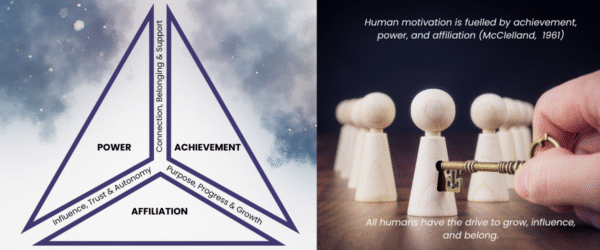
When resources are tight, motivation can feel like an impossible luxury. You can’t tell someone to be more motivated. In fact, it is difficult to tell yourself to feel more motivated when you are not. Yet some of the most inspired teams Think Organisation have helped create weren’t driven by bonuses or financial incentives they were powered by purpose, trust,

How we make decisions, come up with ideas, solve problems or approach challenges is all down to how we think. Imagine if you could change how you think based on the thinking hats you decide to put on your head.

The news is full of stories about toxic culture. Toxic cultures have contributed to financial collapses, personal scandals and reputational downfalls. From politics to business to public institutions, the number of examples seems to be growing exponentially.

With countless books, articles, podcasts, and videos on “how to be a great leader,” it can be hard to know where to begin.

Leaders of teams cannot afford to overlook the science of human behaviour which can provide evidence-based solutions to common people challenges.

A CEO we were working with found themselves increasingly frustrated by a highly skilled, long-serving employee who was beginning to drag down the culture of the organisation. This individual knew their role inside out and had been with the company longer than the CEO. At first, the relationship seemed positive, but over time it soured. This was especially difficult due

Workplace health and wellbeing has become a familiar agenda item. Organisations roll out Wellbeing programmes, appoint Mental Health First Aiders, and share tips on sleep, diet, and exercise with their employees. Some even invest in yoga at lunchtimes. Yet behind the glossy initiatives lies a more uncomfortable truth: stress isn’t just an individual issue. It is contagious. And when left

What is a great leader and what happens when they get it wrong? Could you name someone, or a group of people, who are leaders that you would follow, no matter what? We often think of leadership as the cornerstone of organisational success. The ability of a leader to influence, guide and motivate a group of people toward achieving

In the boardroom, conversations about the difference between a leader and a manager can often blur into semantics. The reality is that whether you wear the title of manager or leader, the role is challenging.

How do we ensure the right work is being done? Or are our teams busy without achieving the purpose required? Teams are regrouping after the summer period, with some colleagues returning from holidays, others yet to escape and those who have worked throughout.